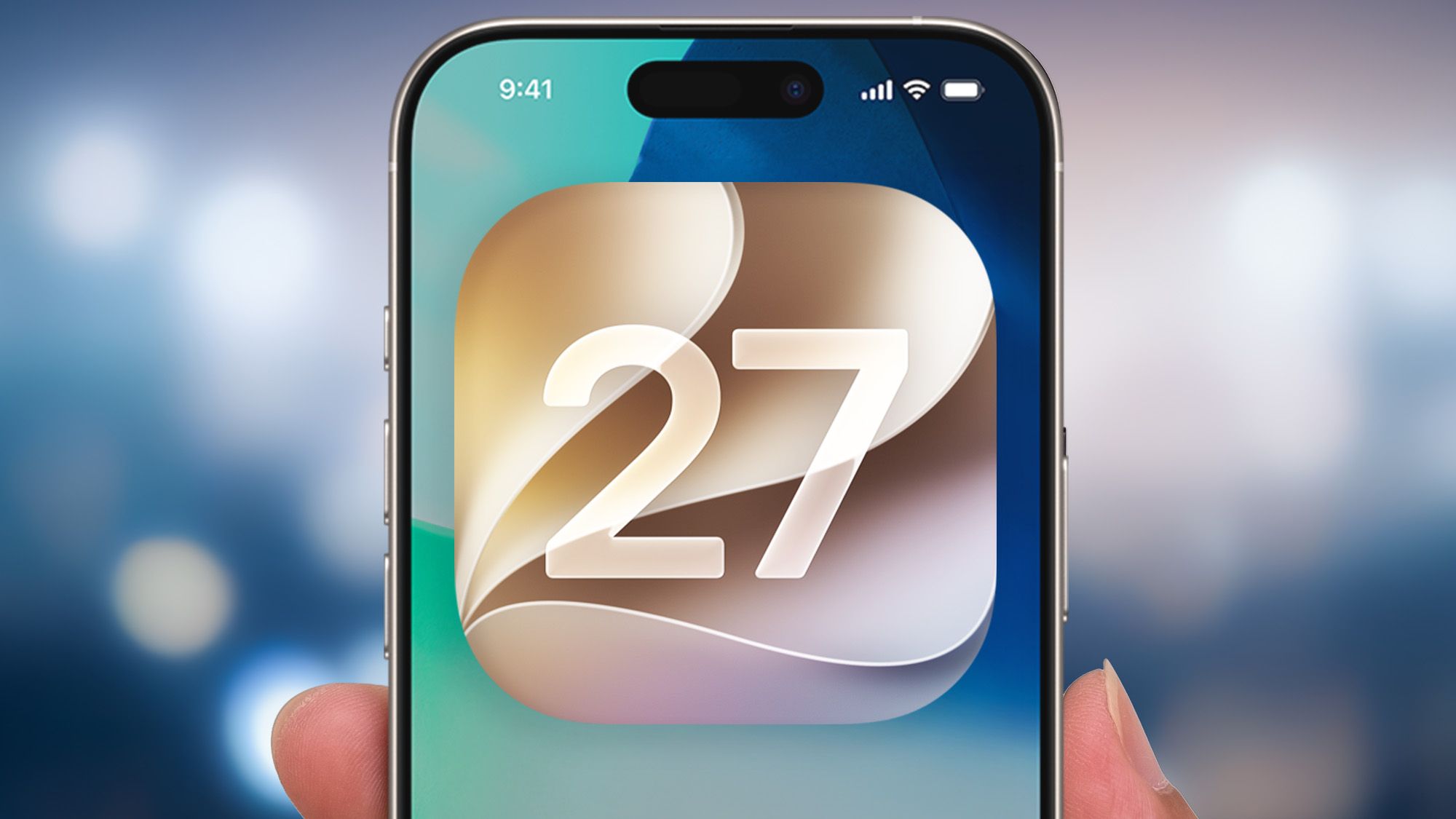
The Invisible Hand in Your Pocket: Why iOS 27 Changes the Phone Game
We have all grown accustomed to the ritual of major software updates. Usually, they arrive with a flurry of marketing hype, promising revolutionary changes, only for us to download them, squint at a slightly rearranged home screen, and wonder why our battery life suddenly tanked. Personally, I think mobile operating systems reached a plateau years ago where sheer feature additions stopped mattering in a profound way. But every once in a while, an update comes along that shifts the philosophical baseline of how we inhabit our devices. From my perspective, iOS 27 is precisely that kind of inflection point.
What makes this particular release fascinating is that Apple has finally stopped treating artificial intelligence as a flashy parlor trick and started treating it as ambient infrastructure. Instead of burying intelligence in separate apps or requiring cumbersome, multi-step workarounds, iOS 27 weaves context and proactive assistance directly into the fabric of daily routines. It fundamentally changes the psychological contract between human and phone.
Beyond the Punchline: Siri’s Cognitive Awakening
For years, Siri was the running joke of the smartphone world—a digital assistant capable of setting timers and occasionally playing a song you didn't ask for, but completely useless when faced with actual nuance. One thing that immediately stands out about the iOS 27 iteration is how radically this dynamic has flipped.
If you take a step back and think about it, what Apple is doing here isn't just upgrading a voice search tool; they are building a local cognitive partner. When you can ask Siri to cross-reference your messy notes for a specific restaurant list, or have it naturally spin up a multi-step automation just by listening to your plain-language description, the barrier between thought and execution dissolves. What many people don't realize is that the real victory isn't the AI's raw processing power itself, but its newfound ability to understand personal context. It finally knows the ecosystem it lives in, which means you no longer have to translate your human intentions into rigid, robotic computer-speak.
Sweating the Small Stuff: The Art of Eliminating Everyday Friction
While the AI headlines will rightfully dominate tech blogs and review columns, what I find especially interesting about iOS 27 is how gracefully it addresses long-standing, stubborn UI annoyances. Software isn't just about futuristic breakthroughs; it's about the thousand tiny papercuts of daily use that slowly drain our patience.
Think about something as mundane as audio volume. For over a decade, Apple forced alarms and notifications into a single, stubborn volume bucket, leading to the daily terror of a morning wake-up call blasting at the same volume as a casual group chat ping. Giving users independent control over alerts and alarms might seem minor on a feature checklist, but it represents an empathetic understanding of human comfort. Similarly, the smoother handoff between home Wi-Fi and cellular networks addresses a silent, universal rage-point for commuters pulling out of driveways. These under-the-hood refinements prove to me that engineering maturity isn't just about adding new toys—it's about removing friction from the physical world.
Living Through the Lens: Ambient Computing in the Real World
Another trend that becomes glaringly obvious with iOS 27 is how aggressively Apple is pushing the iPhone camera outward, turning it from a passive capture device into an active sensory organ.
When you can point your viewfinder at a physical object, ask Siri what you're looking at, or use voice commands within the Magnifier app to decipher tiny restaurant bills in dim lighting, the phone stops being a screen you look at and becomes a lens you look through. In my opinion, this points toward a much larger cultural shift in computing: ambient awareness. We are moving away from the era of active searching and toward an era of situational retrieval. The technology meets you wherever your physical attention happens to be, whether that is hovering over a cutting board with messy hands or trying to identify an obscure hardware part at a local hardware store.
Navigating Boundaries: Privacy, Family, and Location
Beyond the flashy convenience features, iOS 27 introduces deeply nuanced controls for modern digital living, particularly around family management and location sharing. What this really suggests is that Apple is quietly grappling with the social anxieties of hyper-connectivity.
We live in a culture where constant availability is often expected, yet rarely comfortable. The ability in iOS 27 to share fine-grained location windows—down to exact minutes—or to quietly hide your location status without triggering social friction speaks volumes about how complex our interpersonal digital boundaries have become. We crave connection, but we also desperately need plausible deniability and personal space. By baking these diplomatic tools into the operating system, Apple is acknowledging that software design must account for human psychology and social politics, not just data routing.
The Ultimate Takeaway
If you look at iOS 27 as a mere checklist of twenty cool features, you miss the forest for the trees. Personally, I believe this update marks the beginning of a quieter, more competent phase of mobile computing. The excitement is no longer about what your phone can do to impress you; it's about how thoroughly it gets out of your way while keeping you tethered to the world. And honestly, in an age of overwhelming digital noise, that is the most radical upgrade we could ask for.