The Art of Tough Love: How Angel Reese’s Coach Transformed Her Game
There’s something profoundly human about watching an athlete confront their weaknesses, especially when it happens in front of their peers. Angel Reese, the Atlanta Dream’s powerhouse forward, recently shared a story that, in my opinion, encapsulates the delicate balance between coaching and vulnerability. It’s not just about basketball; it’s about growth, humility, and the uncomfortable moments that shape us.
The Moment That Stopped Practice
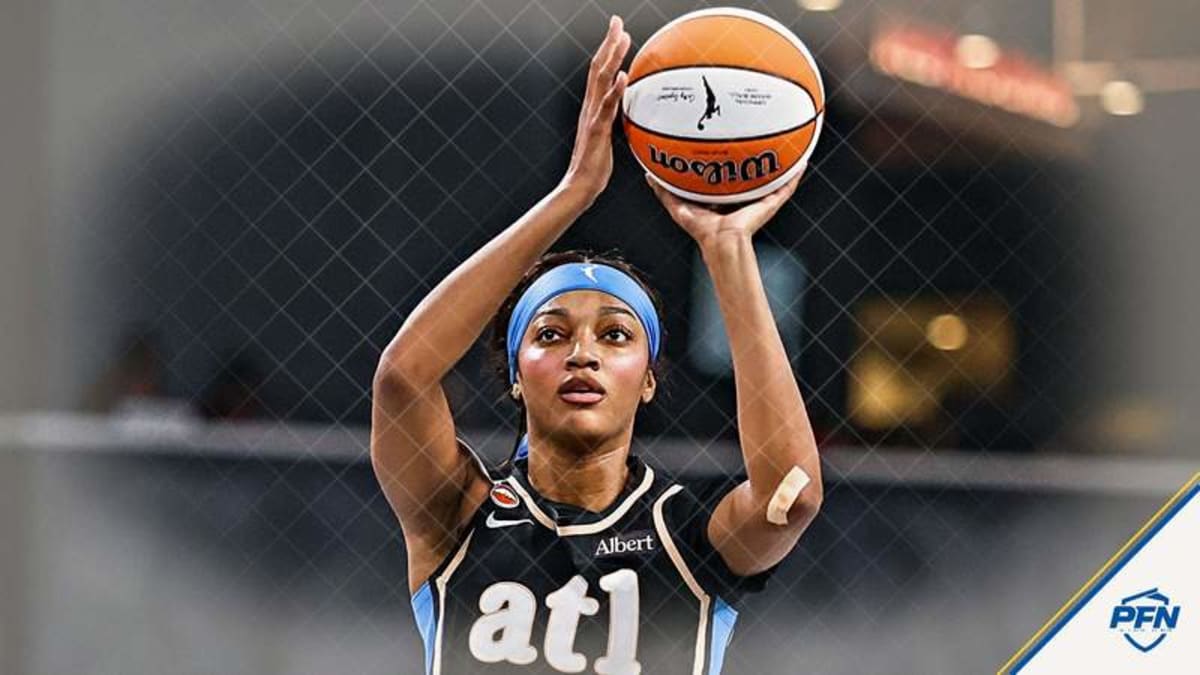
Reese recalled a training camp incident where her coach, Karl Smesko, halted an entire practice to force her to make two consecutive three-pointers. Personally, I think this is a masterclass in tough love—a tactic that’s as risky as it is effective. What makes this particularly fascinating is the psychological weight of the moment. Reese wasn’t just shooting hoops; she was battling her own insecurities in front of her teammates.
From my perspective, this kind of public pressure is a double-edged sword. On one hand, it can humiliate and discourage. On the other, it can ignite a fire. For Reese, it seems to have done the latter. But what many people don’t realize is how rare it is for a coach to take such a gamble. It requires an intimate understanding of the player’s psyche—something Smesko clearly possesses.
The Bigger Picture: Why This Matters
Reese’s story isn’t just about improving her three-point shot; it’s about the evolution of a player. If you take a step back and think about it, this moment is a microcosm of the WNBA’s broader narrative. The league is no longer just about raw talent; it’s about adaptability, resilience, and the willingness to confront weaknesses head-on.
What this really suggests is that the modern athlete—especially in a league as competitive as the WNBA—must be a chameleon. Reese’s journey from a dominant rebounder to a more well-rounded player reflects this shift. And let’s not forget the timing: her improvement comes as Atlanta prepares for its first WNBA Finals appearance in over a decade. Coincidence? I don’t think so.
The Psychology of Public Pressure
One thing that immediately stands out is the psychological toll of being put on the spot. Reese admitted to feeling embarrassed, a detail that I find especially interesting. Embarrassment is often seen as a negative emotion, but in this context, it’s a catalyst. It forces the athlete to confront their limitations, not just physically but mentally.
This raises a deeper question: How often do we, as individuals, shy away from our weaknesses because we fear judgment? Reese’s story is a reminder that growth often happens outside our comfort zones. Smesko didn’t just challenge her skills; he challenged her mindset. And that, in my opinion, is the mark of a great coach.
The Future of Reese’s Game
While Reese’s three-point percentage is still a work in progress, her playoff performance (38.5% from deep) hints at a promising trajectory. What makes this particularly intriguing is the potential ripple effect. If defenders start respecting her outside shot, it opens up new dimensions to her game—and to Atlanta’s offense as a whole.
A detail that I find especially interesting is Smesko’s belief that a full offseason focused on her shooting could lead to further improvement. This isn’t just about fixing a weakness; it’s about unlocking a new level of dominance. If Reese can become a consistent three-point threat, she’ll be nearly unstoppable.
Final Thoughts: The Power of Uncomfortable Moments
As I reflect on Reese’s story, I’m struck by the universality of her experience. Whether you’re an athlete, a professional, or just someone trying to improve, the lesson is clear: growth often requires discomfort. Smesko’s approach was harsh, but it was also necessary.
Personally, I think this story is a testament to the transformative power of tough love. It’s not just about basketball; it’s about the human capacity to rise above our limitations. And as we watch Reese take the court in the WNBA Finals, I can’t help but wonder: How many more uncomfortable moments will it take for her to reach her full potential?
One thing’s for sure: I’ll be watching—not just for the shots she makes, but for the journey behind them.